Costa Rica
Costa Rica is a small country in Central America known for its extraordinary variety of landscapes and wildlife. Despite covering only about 51,000 square kilometers, the country contains an estimated 5% of the world’s known species. Its position between the Pacific Ocean and Caribbean Sea, combined with its mountains and wide range of climates, creates an unusual diversity of ecosystems, from tropical dry forests and lowland rainforests to cloud forests and coastal wetlands. Around a quarter of Costa Rica’s territory is protected, with national parks, wildlife refuges, biological reserves, and other protected areas playing an important role in conserving the country’s natural environment.
Costa Rica was part of the Spanish colonial empire from the 16th century until it gained independence in 1821, initially becoming part of the newly independent Central American federation before becoming a fully independent republic in 1848. Its early history as an independent country included political disputes, coups, and struggles over how the new republic should be governed, but it gradually developed stronger civilian institutions. In 1948, a disputed election led to a brief civil war that lasted about five weeks. After the conflict, the government led by José Figueres Ferrer abolished the country’s military, and the decision was incorporated into the Constitution the following year. Costa Rica subsequently devoted greater resources to areas such as education, healthcare, and infrastructure rather than maintaining a permanent military.
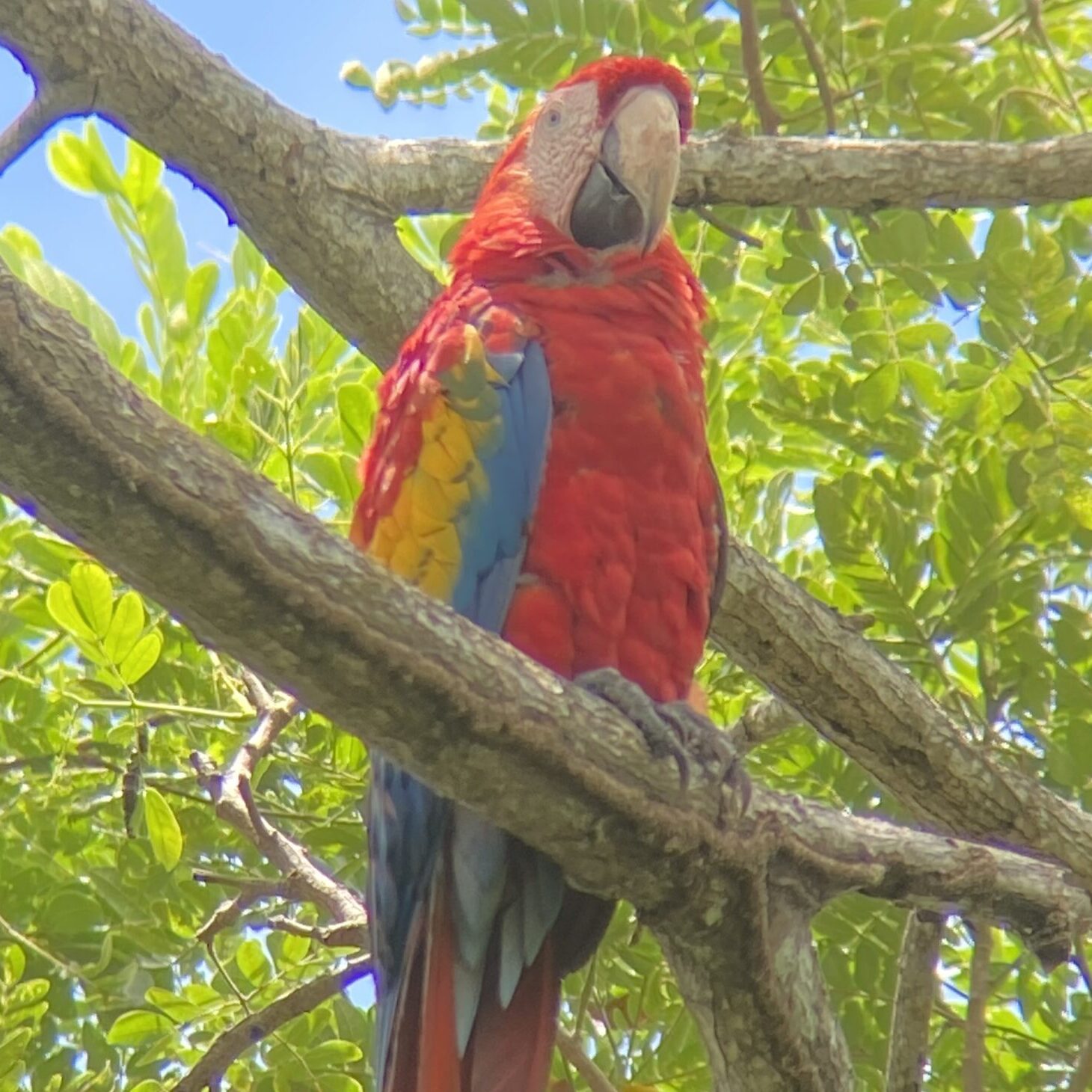
This combination of political stability and an unusually strong commitment to conservation have helped make Costa Rica one of the world’s best-known destinations for wildlife and ecotourism. The country is home to hundreds of species of mammals, reptiles, amphibians, and more than 850 species of birds, while its protected areas provide opportunities to encounter animals ranging from monkeys and sloths to crocodiles, toucans, macaws, and countless smaller species.