Laayoune
Territory 🌍
Region 📍
Laâyoune-Sakia El Hamra
Visited 🗓️
October 2024
Time Needed ⌛
1-2 Days
Laayoune is the largest city in Western Sahara and serves as the administrative center of the territory controlled by Morocco. It is also the claimed capital of the Sahrawi Arab Democratic Republic by the Polisario Front. Located between the Atlantic coast and the vast Sahara Desert, the city and its surrounding areas offer an opportunity to experience a rarely visited destination, observe daily life in the Sahara, and explore one of the world’s most politically disputed territories.
Why Visit Laayoune?
Best things to do in Laayoune
Walk through the city center
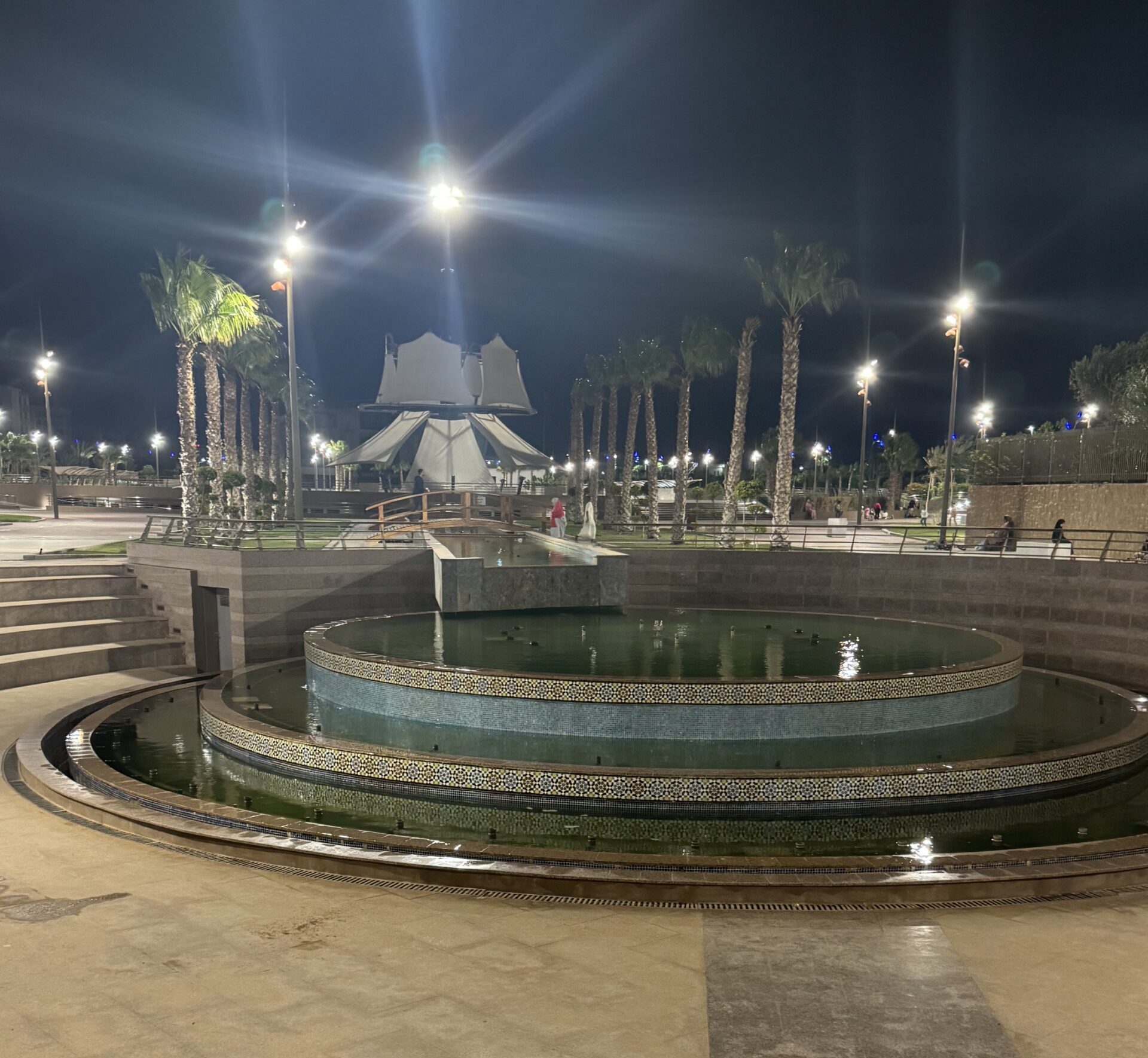
The heart of Laayoune is clean, modern, and different from what you may expect when you imagine the Sahara, there is even a McDonald’s. The palm tree-lined streets and public plazas such as Oum Sad Plaza become gathering places in the evening, when families and friends come out to enjoy the colorfully lit fountains or go skateboarding. Walking through the city center is one of the best ways to experience everyday life in Western Sahara and observe how the territory has developed under Moroccan administration.
Visit the Fossil Museum
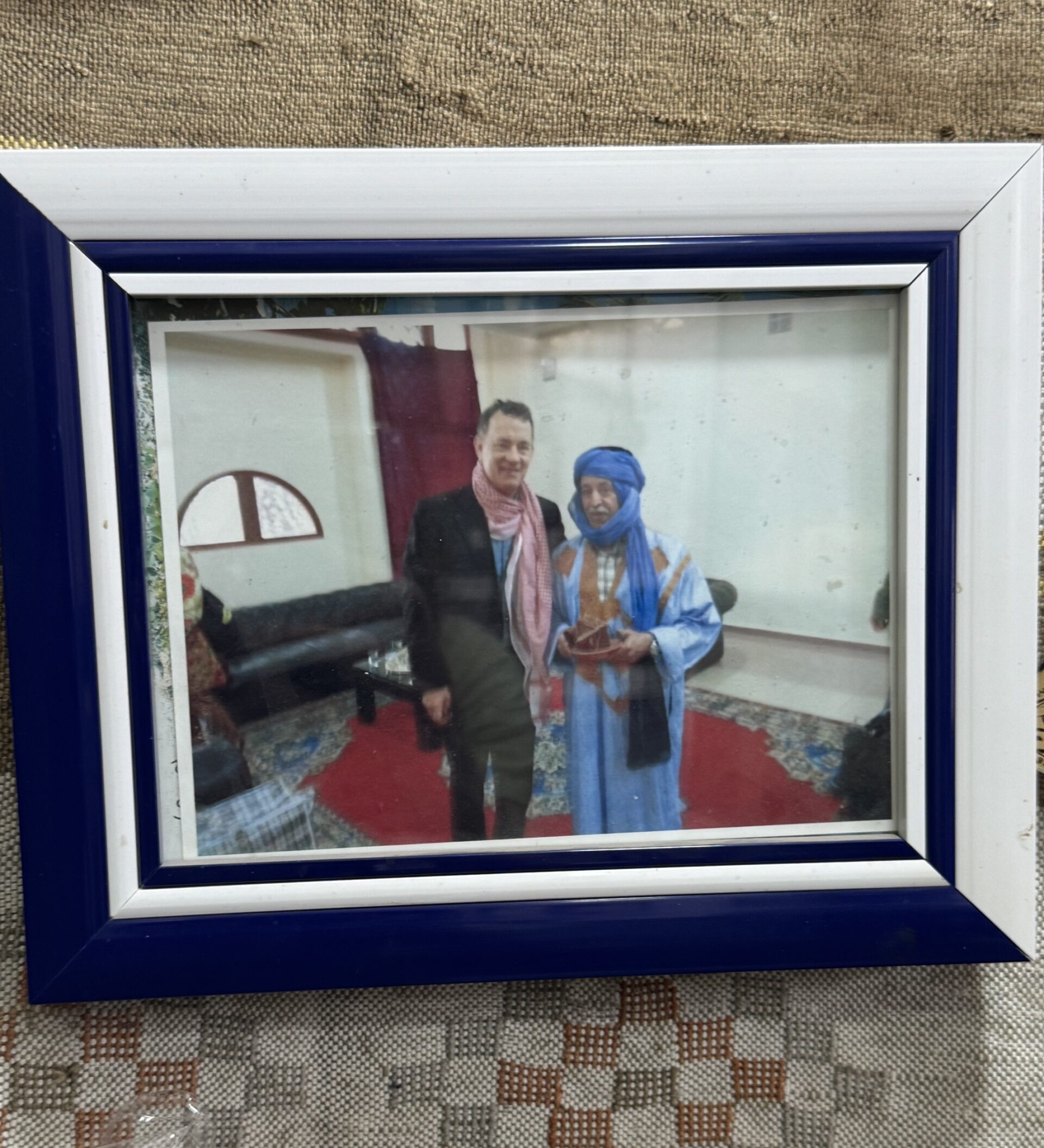
Laayoune’s small Fossil Museum (Association de protection des industries préhistoire) is one of the city’s most unique attractions. The private collection contains fossils, minerals, and prehistoric artifacts discovered throughout the Sahara Desert, with the owner Mr. Taki personally explaining many of the exhibits in English. During my visit, he also shared a story about how Tom Hanks was once filming a movie in the area and he wanted to buy one of the most impressive fossils that was on display. The museum offers a fascinating look at the region’s nomadic past, and Mr. Taki is also knowledgeable about other local history, such as the author Sanmao. Be sure to call ahead to schedule your visit.
See the shipwreck on the beach
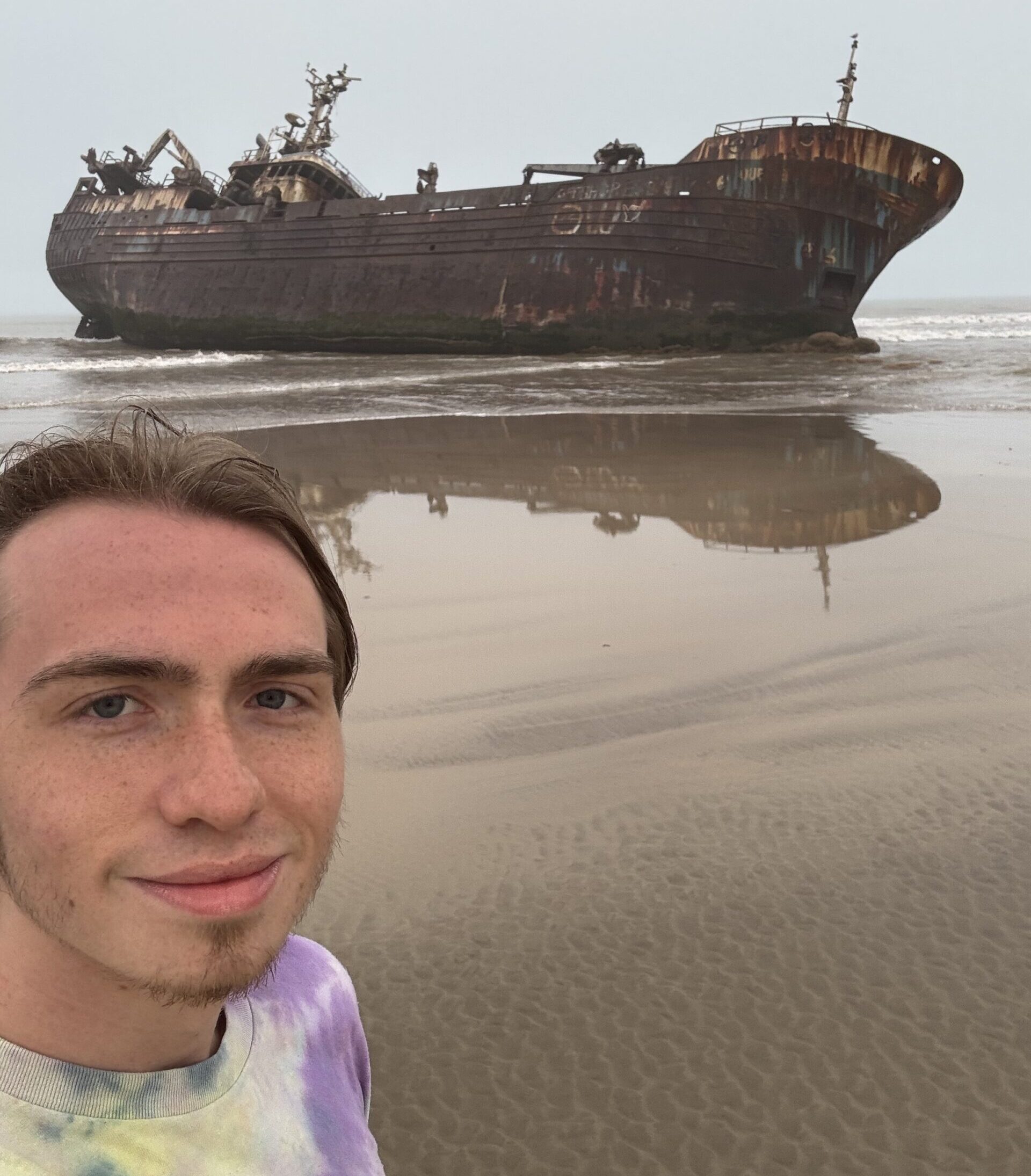
A short drive west of Laayoune you can reach the Atlantic Ocean. Here there are two smaller towns called Foum el-Oued and El Marsa. Between these towns sits the rusting remains of an abandoned cargo ship that has become one of the area’s most photographed landmarks. Locals come here to watch the sunset as a background to the ship, or also to go surfing.
Go surfing with the locals
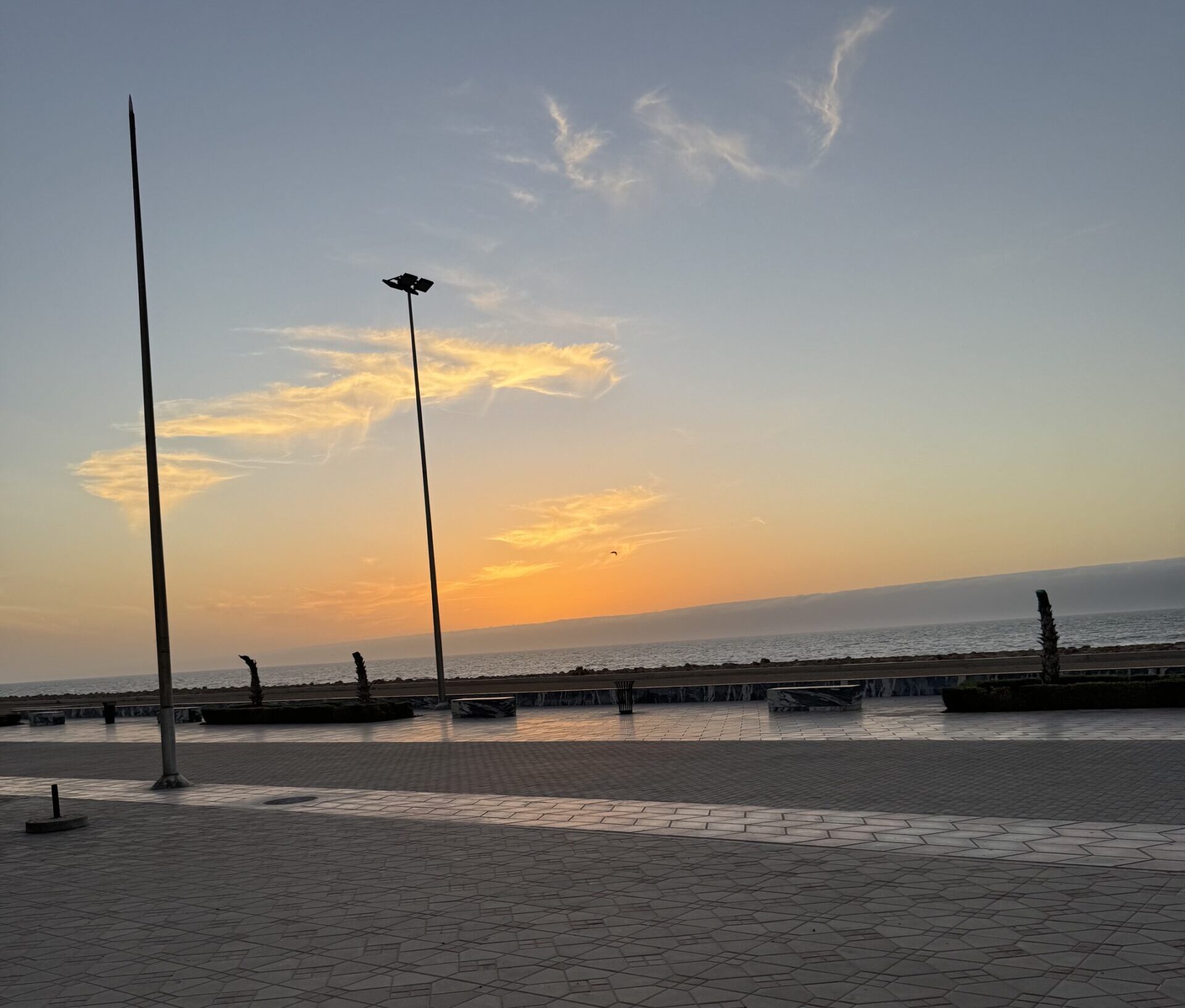
The beach at Foum el-Oued is the most typical place local surfers go to enjoy the ocean. I had never surfed before, and when I met up with the Surf Club Laayoune they were great teachers and very hospitable. If you are not interested on surfing, they you will still have a mostly empty beach for swimming or watching the sunset.
Try the street food

Laayoune’s food reflects both Moroccan and Saharan influences, with fresh seafood playing a major role in many restaurants thanks to the nearby Atlantic Ocean. Street vendors serve inexpensive local dishes, such as snails (which I thought were surprisingly tasty). Trying the local food is one of the simplest ways to experience everyday life in the region and support the locals.
Typical costs in Laayoune
🏨 Hotels:
Hotels in Laayoune are generally affordable compared to many major cities in Morocco and there is plenty of availability. I stayed in a budget hotel costing 150 MAD ($15 USD) per night, while comfortable mid-range hotels typically cost 300–650 MAD ($30–70 USD) per night.
🚕 Taxis:
Petit taxis are an incredibly inexpensive way to travel around Laayoune. It cost me 6 MAD ($0.70 USD) to travel 5 kilometers from one side to the city to the other. If you are travelling from Laayoune to Foum el-Oued or El Marsa, you may need to use a shared taxi.
🍽️ Food:
Eating out in Laayoune is also inexpensive. A meal at a local restaurant typically costs around 30–50 MAD ($3–5 USD), while street food will be even more affordable.
How to travel to Laayoune
✈️ By Air:
Laayoune is served by Hassan I Airport (EUN), with regular flights from Casablanca, Agadir, Marrakech, and Rabat. International flights also connect Laayoune with Gran Canaria in Spain, making air travel the fastest and most convenient way to reach the city.
🚌 By Bus:
CTM and Supratours operate long-distance bus services between Laayoune and several Moroccan cities, including Agadir, Marrakech, and Casablanca. Although the journey can take many hours, the buses are generally comfortable and are a good option for travelers on a budget. I personally used a CTM overnight bus to travel to Laayoune.
🚗 By Car:
Laayoune is located on National Route 1 (N1), Morocco’s main coastal highway. The road is fully paved and connects the city with Agadir to the north and Dakhla to the south, making it a popular route for both rental cars and long-distance buses.
🛂 Entering Western Sahara:
Travelers reaching Laayoune from Morocco do not pass through an international border or immigration checkpoint. However, police and security checkpoints are common along the highway, and travelers should carry their passport and other information such as a Fiche card, as it may be requested during the journey.
On my bus ride to the city a police officer entered on to the bus soon after we crossed into the disputed territory, and because I was visibly the only foreigner, he asked me to speak to him outside the bus on the side of the road while the rest of the bus waited for me inside. He did not speak English, so we spoke through Google Translate, and he asked me questions such as my job and my reason for traveling to the area, in addition to taking a photo of my passport.
Interactive Map of Laayoune
All of the locations mentioned in this guide are marked on the interactive map below, making it easy to plan your visit to Laayoune and the surrounding area.